How to Prepare Your Swimming Pool for Severe Weather - Wildfires
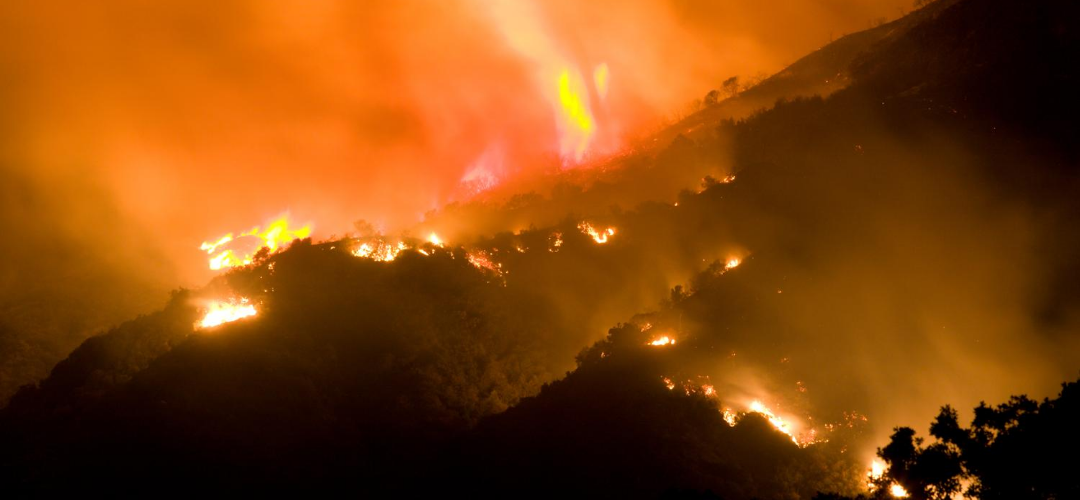
Wildfires can significantly impact swimming pools, contaminating the water with ash, soot, and chemical compounds like carbon, nitrogen, and phosphates which all contribute to chlorine demand and pool problems. Here's a general approach to treating impacted pools.
- Safety First:
- Air Quality: Only work on the pool when air quality is safe. Wear appropriate respiratory protection, avoid inhaling smoke or ash particles
- Equipment Safety: Inspect all pool equipment for damage. Most debris can be skimmed or treated, but a working pump and filter is essential to clean pool water
- Debris Removal:
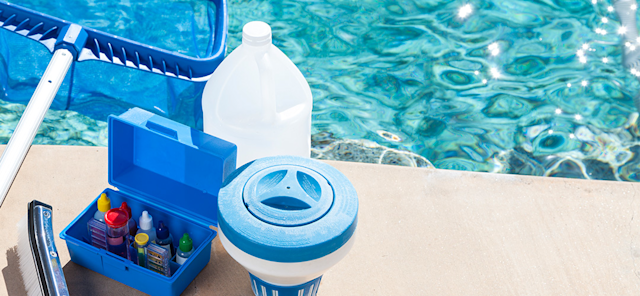
- Skimming: Skim the surface of the pool to remove as much ash and soot debris as possible (PSL-40-2030/PSL-40-0650)
- Brush: Brush all pool surfaces to loosen and remove any clinging debris.
- Water Treatment:
Wildfire Ash, Soot, & Smoke will contain nitrogen, that can contribute to higher nitrate levels, and phosphorous, which will change to phosphate in a chlorinated environment. Consider that wildfire ash has a pH of ~9 so water balance is essential prior to superchlorination depending on how much particulate is in any pool.
- Drop Out & Vacuum: Flocced particulate will settle to the pool floor if pump is not running. Once the water is clear and debris has settled, vacuum the pool to waste.
- Spring Renew: This Clarifier/Enzyme blend will start the cleaning process of the leftover particulate by breaking down non-living organic contaminants and capturing pool water debris for faster filtering.
- Filter Cleaning: Backwash/clean filters as necessary, depending on the contaminant load-this may have to happen daily, or even more. Clean the filter cartridges or grids with Spray N’ Rinse during the cleanup process, then soak with Filter Renew once pool is returned to normal.
- Water Testing: Test and adjust water chemistry (especially pH & alkalinity)-unbalanced water will hinder chemical efficacy, especially chlorine.
- Shock Treatment: Superchlorinate the pool with Super Shockwave appropriately to your needs. Always follow manufacturer's directions for use. This will destroy remaining organic contaminants and kill bacteria and algae introduced by debris or from water vessels employed by firefighting aircraft. If Liquid Chlorine is preferred, use suitably recommended dosages.
- Phosphate Remover: After superchlorination has dissipated, use Super Phosphate Remover to rid pools of the excess phosphates brought in from the airborne debris.
- Staining Prevention:
- Metal & Minerals: If you suspect mineral or metal contamination (from firefighting efforts or ash), use No Phos Metal Magnet in the water and Super Metal Eliminator in the skimmer to prevent and capture stain-causing metals and carbonate scale.
- Fire Retardant:
- Shock & Spring Renew: Standard fire retardants are mostly water but contain at least 10% fertilizer byproducts and foaming compounds. The water cleaning blend of Spring Renew dosed the day after superchlorination will help break down the sticky residue of the retardants. Shocking these pools early is the best thing that can be done, followed up with the Spring Renew strong enzyme-clarifier blend.